Best Places for Renters in America 2026

Lisa Bics • March 28, 2024

Let's be real for a sec — buying a home right now feels kinda like trying to buy Taylor Swift tickets: expensive, competitive, and honestly? Maybe not worth the stress. With mortgage rates doing the cha-cha and prices still sky-high, more of us are team #RentForever (or at least rent for now). But here's the thing: not all renting situations are created equal. Some cities just get it — they've got the walkability, the job scene, and actually decent apartments that won't eat your entire paycheck.

So where should you be looking for your next rental? And did any California cities make the cut? Let's dive into the 2026 rankings


The Big List: Where Renters Are Winning in 2026
These cities topped the charts for renters based on availability, lifestyle, economics, and walkability :


  • Chicago, IL
  • New York, NY
  • Los Angeles, CA 
  • Houston, TX
  • Dallas, TX
  • Atlanta, GA
  • Boston, MA
  • San Diego, CA 
  • Austin, TX
  • Miami, FL


What's the vibe in LA and SD?

Los Angeles is basically if a beach, a tech hub, and a film set had a baby. The weather's chef's kiss, you've got Griffith Park for weekend hikes, and neighborhoods like Venice Beach are basically living art projects . Downside? Rush hour will steal years from your life, and nothing's cheap. Average rent? $2,170/month for a one-bedroom that's around 611 sq ft . Cozy!

San Diego is for the outdoorsy types who actually use their hiking boots. Beaches everywhere, Balboa Park for museum days, and the whole vibe is just... chill . You're paying for that lifestyle though — average rent hits $2,380/month


The "Best Places to Live in California" (If You're Staying Put)

U.S. News ranked California cities for overall livability, and here's the tea: Folsom took the #1 spot in the state .

Wait, Folsom? Like the prison? No, different Folsom. This one's near Sacramento, and it's actually super cute.


Folsom stats:

  • Population: ~86,000
  • Median rent: $2,032/month 
  • Median household income: $141,341 (hello, strong job market) 
  • Unemployment: around 4% (better than national average)


So, Should You Rent in California?
Honestly? If you've got the budget and want that lifestyle — the weather, the outdoors, the creative energy — California cities like LA, San Diego, and even Folsom are solid choices. You'll pay for it, but you're also getting something real in return.

If you're more about affordability and maxing out your square footage? Maybe look at the Midwest or Texas . Kansas City's cost of living is 12% below the national average, and Des Moines has those short commutes everyone's jealous of .

But hey — life's short. If your heart's set on California sunsets and avocado toast, rent that apartment. Just maybe don't check your bank account too often.
The ADU Gold Rush: Is Building a
By Marty D. March 28, 2025
Spoiler: The math is looking pretty good right now. But you gotta know what you're doing. Look, we've all had that moment. You're scrolling Zillow, crying into your oat milk latte, wondering how anyone affords a home in California anymore. Then it hits you: What if I buy a place with a big backyard and just... build another house back there? Turns out, you're not alone. Accessory Dwelling Units (ADUs) — aka granny flats, backyard homes, or "that thing my cousin built during the pandemic" — are having a MOMENT in 2026. But is it actually profitable? Or are you just building an expensive guest house for your in-laws? Let's break down the real tea on ADU investing this year. First, The 2026 Rulebook Just Got a Major Rewrite Okay so here's the thing — California's been on an ADU law roll for years, but 2026 is when things get interesting. The state basically ripped up the old playbook and handed homeowners a golden ticket. AB 2533 is low-key a game-changer . It lets you legalize unpermitted ADUs built before 2020 without paying penalties. You just pass a health and safety checklist, and boom — that illegal garage conversion your uncle built in 2018 is now legit. For homeowners sitting on unpermitted units, that's instant equity . Then there's SB 1211, which is basically the "go big or go home" law . On multifamily lots, you can now build up to EIGHT detached ADUs. Eight! That's not a granny flat anymore — that's a mini compound. Perfect for investors who own apartment buildings with underused parking lots or giant backyards . And remember when you had to live in either the main house or the ADU? Yeah, that's done. AB 976 permanently removed owner-occupancy requirements . You can now rent out BOTH units freely. No more pretending your cousin lives there. This is huge for investors . Oh, and AB 1033? You can now sell ADUs as separate condos in cities like San Jose, San Diego, and Santa Monica . So if you build a sweet backyard unit, you can potentially sell it to a first-time buyer who can't afford a whole house. Wild, right? The Cold Hard Math: What Does This Cost? Alright, let's talk money because this is where it gets real. In Los Angeles, building an ADU in 2026 will set you back somewhere between $150,000 and $400,000+ . I know, I know — that's basically the price of a house in Ohio. But stay with me. Here's the breakdown by type:  Garage conversion (350-500 sq ft): $100k - $225k Prefab detached (like 300 sq ft): $42k - $55k (the budget queen option) Custom detached (500 sq ft): $150k - $200k Large detached (800-1,200+ sq ft): $300k - $400k+ Plus permits, which in LA run anywhere from $5,000 to $25,000+ depending on size and location . School impact fees? Only if your unit is over 500 sq ft — thanks to SB 543 , smaller units get a pass . The Not-So-Fun Stuff You Need to Know Okay, reality check time. Building an ADU is not all passive income TikToks and landlord dreams. Here's what nobody tells you: Timeline: Plan on 6 months to 2 years from start to finish . City inspectors move at their own pace — think Sunday stroll energy, not Amazon Prime delivery . Solar + fire sprinklers: Mandatory in 2026, which adds cost . Tenant dynamics: More units = more people = more opinions about recycling bins . If your property already has tenant drama, an ADU might amplify it. Design matters — separate entrances, privacy screening, dedicated outdoor space — all help keep the peace . Local rules vary: In Lakewood, owner occupancy still required unless you rent both units to the same tenant . In Cerritos and Long Beach? No occupancy rules . You gotta check your city's specific ordinance
California Property Taxes for Dummies
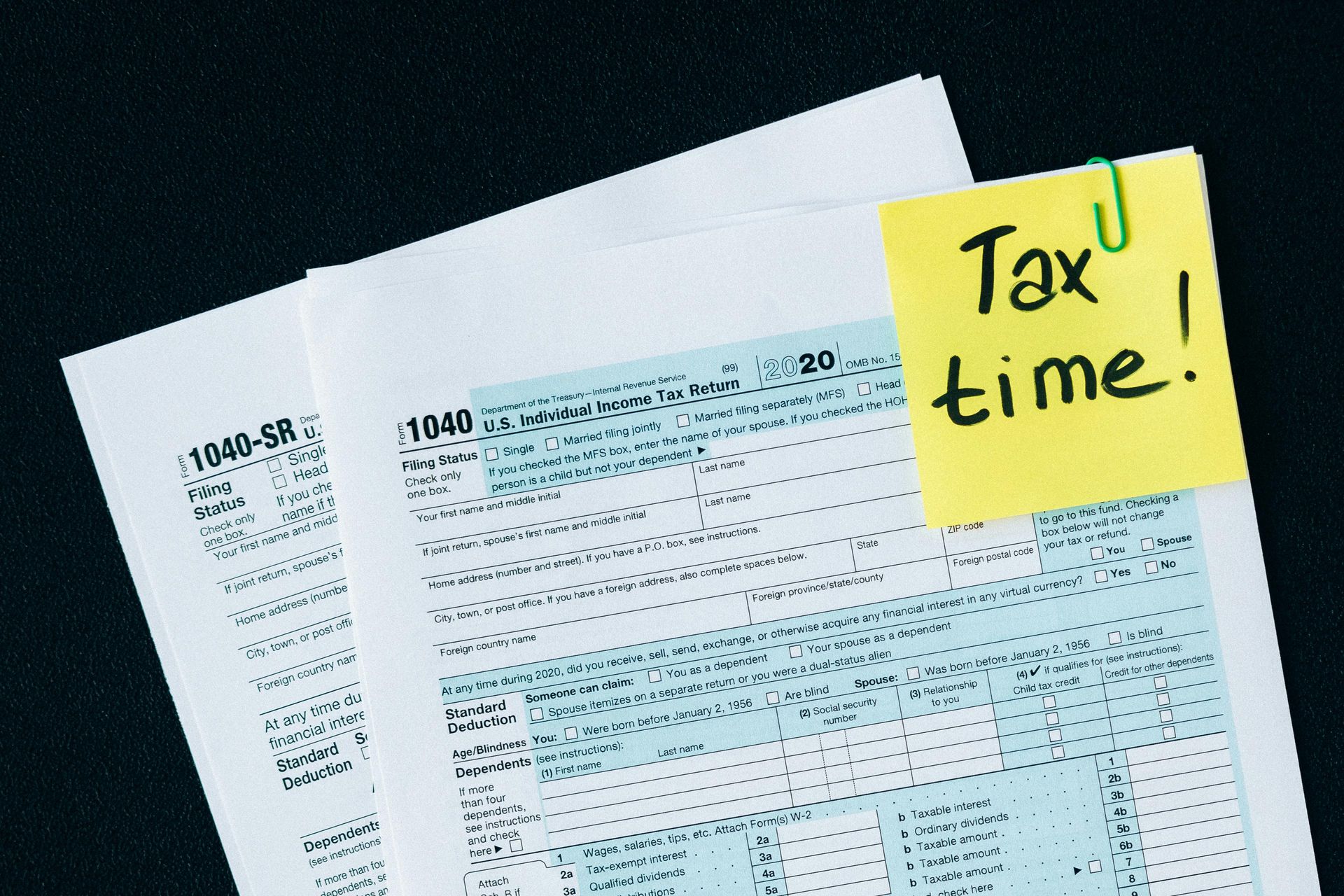
By Lisa C. February 10, 2025
Property taxes sound about as exciting as watching paint dry. But then you hear stories about two neighbors with identical houses paying completely different tax bills, and suddenly you're like... wait, what? Picture this: Same street, same square footage, same ocean view. One neighbor pays $1,200 a year . The other pays $12,000 . That's not a glitch. That's California's Proposition 13 doing exactly what it was designed to do back in 1978. And honestly? It's probably the reason your grandparents still live in that house they bought when Nixon was president. So grab your oat milk latte, and let's break down why your California property taxes won't randomly explode into the stratosphere. What Even IS Prop 13? The TL;DR Version Proposition 13 is basically California's property tax constitution. Voters passed it in 1978 because people were literally being taxed out of their homes . Think 1970s inflation, stagnant wages, and tax bills doubling overnight. Not cute. Here's what Prop 13 did in plain English: 1. Capped the tax rate at 1% Your property tax is generally 1% of your home's assessed value. Plus maybe a little extra for voter-approved bonds (like school funding), but that's it. 2. Locked in your purchase price as your "base year value" When you buy a house, the county assessor goes, "Cool, you paid $500K? That's your number." They call this your base year value . 3. Limited annual increases to 2% MAX Here's the magic: every year, your assessed value can only go up by 2% or the inflation rate — whichever is lower. Meanwhile, your neighbor's house that sold for $1 million? Their assessed value is whatever they paid, plus 2% annual bumps. 4. Only reassess when ownership changes or you build something new Your house could double in market value overnight (thanks, Bay Area tech money), and your tax billdoes not care. It's chilling at your purchase price + 2% per year. Why Your Tax Bill Won't Go Cosmic (The Math Part)Okay, let's make this real with actual numbers. You buy a condo in 2026 for $500,000 . Your first-year assessed value: $500,000. Property tax (roughly): $5,000 (1%). The next year, your neighbor sells their identical unit for $600,000. Market values just jumped 20%. You panic, thinking your taxes are about to explode. They don't. Here's what happens instead: Year 2 assessed value: $510,000 max (that's your $500K plus the 2% cap) Year 3 assessed value: $520,200 max Year 10: You're at like $609,497 (assuming 2% every year) Meanwhile, your neighbor who bought in 2026? Their taxes started at $6,000. The gap just keeps growing. That's Prop 13 in action. Real-life example from a legal blog: Grandma buys a condo in 1975 for $25,000. Today she pays about $673 in property taxes. Dad buys the same unit in 2000 for $150,000 — pays about $2,000 . Daughter buys it in 2025 for $600,000 — pays $6,000 . The Bottom Line: What This Means for You IF you own property in California (or plan to), here's your cheat sheet: Your taxes are predictable. That 2% annual cap means no surprise bills. Your purchase price matters forever. Buy low, and your tax base stays low forever (plus 2%/year). Don't trigger reassessment accidentally. Gifting property to kids? Death in the family? Talk to a lawyer FIRST. Prop 19 made inheritance way trickier . Keep your paperwork. If you ever need to prove your base year value, you'll want those closing documents. If your value drops, file for Prop 8. Why pay taxes on phantom equity? The TL;DR version: Prop 13 means your property taxes are anchored to what you paid, not what your house is worth now. They can only climb 2% a year. It's why Grandma's taxes are lower than your rent. And despite the controversy, it's still the law of the land in California. Now go forth and impress your friends with your sudden expertise on 1978 tax policy.